

The short answer: the symptoms overlap, but the source can be different
You're not broken. You're not crazy.
If you have been told you have sciatica, piriformis syndrome, a tight glute, a disc problem, or “just muscle pain,” you are not alone. You may have taken pills, received shots, tried piriformis stretches, rolled on a ball, visited a chiropractor, and followed exercise sheets that never created lasting change.
Here is the direct answer to “sciatica vs piriformis syndrome”: sciatica describes irritation along the sciatic nerve, while piriformis syndrome describes irritation or compression of that nerve near the deep buttock. The symptoms can feel almost identical. You cannot reliably identify the source from pain location alone.
Pain traveling from your back or buttock down your leg, especially below the knee, often points toward a spinal nerve-root source. Deep buttock pain that worsens with prolonged sitting, hip rotation, or direct pressure often points toward the piriformis region. BUT these clues are not a final diagnosis.
The label matters, but it is not the whole answer. The bigger question is this: WHAT is driving the compensation pattern that keeps irritating your body?
Why the wrong label can keep you stuck
When your pain is in the buttock, it is easy to blame the piriformis muscle. When your pain travels down the leg, it is easy to blame a disc. Then the entire strategy becomes focused on the painful area.
That is where many people get stuck.
You stretch the painful piriformis because it feels tight. You press on the painful buttock with a ball because it feels knotted. You strengthen the painful side because it feels weak. You repeat the same routine for weeks or months because someone told you that the muscle simply needs more attention.
If that approach keeps producing temporary relief followed by the same burning, tingling, or shooting pain, it is time to stop chasing the label.
I know this because I spent 17 years practicing the traditional way and following the standard approach. I treated the painful side. I followed the usual protocols. Around 80-85% of my clients failed to achieve lasting relief. They were not lazy. They were not beyond help. The direction was backwards.
That realization changed everything.
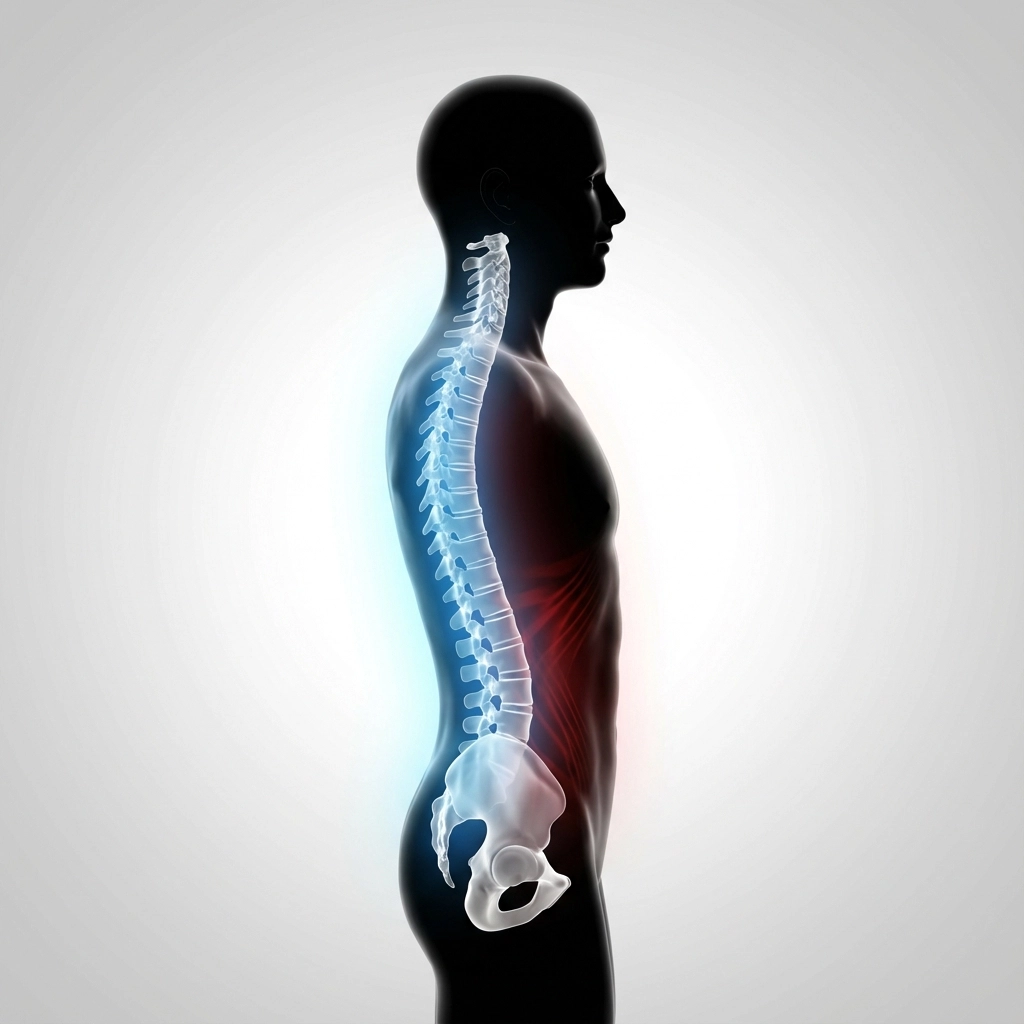
Sciatica vs piriformis syndrome: the practical differences
Sciatica is a symptom pattern, not one single condition. It often involves irritation or compression of nerve roots in the lower back. A disc problem, narrowing around the spine, or another spinal issue can create symptoms that travel through the buttock and down the leg.
Piriformis syndrome refers to irritation of the sciatic nerve near the piriformis muscle in the deep buttock. The nerve is affected outside the spine rather than at a spinal nerve root.
Here are the common patterns you should know:
- Spinal sciatica often begins in the lower back or buttock and travels down the back of the thigh, calf, or foot. Numbness, tingling, or weakness can appear in the leg or foot. Coughing, sneezing, straining, bending, or prolonged sitting can increase symptoms.
- Piriformis-related pain often feels deep in one buttock and can travel into the back of the thigh. Sitting, crossing your legs, climbing stairs, squatting, or rotating the hip can increase symptoms.
- Pain below the knee, foot symptoms, clear weakness, or changes in reflexes deserve careful medical evaluation because they can indicate nerve-root involvement.
- A tender spot deep in the buttock does not automatically prove piriformis syndrome. The painful spot is where you feel the alarm, not always where the entire problem begins.
Trusted medical sources, including the Cleveland Clinic overview of sciatica and its piriformis syndrome guide, describe this same challenge: the symptoms overlap, so a proper history and physical examination matter.
The painful side is not always the problem
This is where my approach is 180° different.
Most people naturally focus on the side that hurts. That makes sense emotionally. Your left buttock burns, so you stretch the left buttock. Your right leg tingles, so you massage the right leg.
BUT your painful side can be the side carrying the extra workload. It can be the side compensating for weakness, poor control, or limited movement on The opposite side.
Think of your body like a see-saw. One side becomes overloaded, tight, and painful while the other side stops contributing properly. If you keep attacking the overloaded side, you can continue feeding the imbalance.
That does not mean every case of sciatica comes from the opposite side. It means you should stop assuming that the painful side is the only side worth examining. Your hips, pelvis, trunk, and legs work as one connected system.
This is why body balancing looks beyond the label. Instead of asking only, “Is it sciatica or piriformis?” you also ask:
- Which side is actually weaker or less coordinated?
- Which side carries more weight when you stand?
- Which hip rotates differently?
- Which side struggles during a controlled single-leg balance for 15-20 seconds?
- Which movement changes your symptoms without forcing the painful area?
These questions do not replace a clinical examination. They help you understand why a diagnosis alone has not given you the answer you need.
Do not force piriformis stretches into an irritated nerve
If piriformis stretching gives you a few minutes of relief but your symptoms return later that day, the stretch is not solving the full problem. If it creates sharp, burning, electric, or spreading symptoms, stop forcing it.
A tight sensation does not always mean a muscle needs aggressive stretching. Sometimes the muscle is guarding an unstable or overloaded position. Pulling harder on that muscle can keep the alarm active.
I have worked with clients who stretched their painful piriformis daily for months and still could not sit, drive, sleep, or walk comfortably. One client had dealt with piriformis symptoms for 20 years while relying on repeated injections and the same painful routines. The breakthrough began when we stopped feeding the painful area and examined the full compensation pattern.
Read more in Why stretching the wrong side can change your sciatica recovery and what to stop doing when you keep treating the painful side.
What an accurate evaluation should examine
A qualified healthcare professional will look at more than the name attached to your pain. The evaluation can include your symptom history, walking pattern, strength, sensation, reflexes, spinal movement, hip movement, and nerve tension.
Common examination tools include the straight-leg raise for nerve-root symptoms and the FAIR position for symptoms associated with the piriformis region. Imaging, electrodiagnostic testing, or other evaluation is used when the history and examination call for it.
You should also seek urgent medical care for new or worsening leg weakness, loss of bowel or bladder control, numbness around the groin, or severe symptoms after major trauma. Do not try to stretch through those warning signs.
For general medical information, review the Mayo Clinic guidance on sciatica diagnosis and care and the NHS sciatica guidance.
The 180° solution looks at the pattern, not just the label
After 34 years of practice, I no longer believe you should spend all your energy chasing the painful muscle. I have helped more than 10,000 sciatica sufferers, including over 5,200 people online since 2018. My success rate is 95-97%, compared with the 15-20% success range I experienced during my earlier traditional practice.
Clients I have helped suffered anywhere from 3 months to 63 years. They came after pills, shots, stretching routines, chiropractic care, injections, and other approaches failed to create lasting relief.
Our 180° Sciatica Solution follows one clear framework:
Balance
First, you identify and correct the body imbalance. This is where we examine The opposite side and the compensation pattern instead of automatically attacking the painful side.
Stabilize
Next, you use custom strengthening exercises to help your body hold its balanced position. Strength is not useful if it reinforces the same uneven pattern.
Return
Finally, you return to the activities you want, including walking, driving, sleeping, traveling, playing with family, golf, or pickleball. The goal is not to stay dependent on endless appointments. The goal is to learn how to self-assess and correct your body.
That is how you begin to Break sciatica and Reclaim your life.
Your next step: test the approach before you commit
You do not have to believe every promise on the internet. You can test the approach directly.
Join the FREE 3-Day Sciatica Proof Lab at www.SciaticaProofLab.com.
You will receive three personalized 1:1 Zoom sessions with me, Dean Volk, International Sciatica Consultant, over three days. Each session lasts 30 minutes. I listen to your frustrations, examine your movement pattern, and manually guide you through body balancing movements so you can see how your body responds.
This is not a generic video library. It is personal coaching built around your symptoms, your history, and your movement. I do not want you to commit to a program IF your body does not respond.
Start the FREE 3-Day Sciatica Proof Lab at www.SciaticaProofLab.com. If you have questions, email info@sciaticareliefnow.net.
You are not broken. You have been looking in the wrong direction long enough. Now it is time to test what happens when you look 180° different.
Frequently asked questions
Can piriformis syndrome cause sciatica-like pain?
Yes. Irritation of the sciatic nerve near the deep buttock can create pain, tingling, burning, or numbness that feels like sciatica. The source differs, but the symptoms can overlap. A proper examination is needed to separate piriformis-related symptoms from spinal nerve-root symptoms.
How do I know if it’s sciatica or piriformis?
Look at the full pattern, not one symptom. Lower back pain, symptoms traveling below the knee, foot symptoms, weakness, and increased pain with coughing or sneezing often point toward spinal involvement. Deep buttock pain that increases with sitting, hip rotation, or direct pressure often points toward the piriformis region. These clues do not confirm the source by themselves.
Should I stretch my piriformis if it hurts?
Do not force a piriformis stretch into sharp, burning, electric, or spreading pain. If stretching provides only short relief or repeatedly increases symptoms, stop chasing the painful area and have the complete body pattern assessed. The right next step is often body balancing rather than endless painful-side stretching.
Can sciatica be fixed without surgery?
Many people improve through non-invasive care that includes movement assessment, body balancing, stabilization, and a gradual return to activity. I have helped more than 10,000 sciatica sufferers, with a 95-97% success rate reported through our approach. Serious warning signs still require prompt medical evaluation.
What is the FREE 3-Day Sciatica Proof Lab?
The FREE 3-Day Sciatica Proof Lab is a three-day experience with three 30-minute 1:1 Zoom sessions with Dean Volk. Dean listens to your frustrations and manually guides you through personalized body balancing movements so you can test your body’s response. Start at www.SciaticaProofLab.com.
Related reading
Continue with these related guides:
- Why stretching the wrong side can be your answer
- Why treating the painful side can keep sciatica coming back
- The body balancing approach to sciatica relief
- The 180° Sciatica Solution framework
#sciaticarelief #sciatica #piriformissyndrome #bodybalancing #sciaticaexercises #noninvasivesciaticatreatment #180degreeschiaticasolution #breaksciatica