

Your doctor just said the words you've been dreading: "I think it's time we consider an epidural steroid injection."
And suddenly, you're caught between two fears, the fear of continuing to live with this crushing sciatica pain, and the fear of letting someone stick a needle into your spine.
Here's what I've learned after helping 5,200+ clients at Sciatica Relief Now LLC avoid unnecessary procedures: Most people book these injections WITHOUT asking the questions that could change their entire decision. Your doctor might be great at what they do, but they're often following a script, medication, then physical therapy, then injections, then surgery. It's the standard pathway, but it's NOT always the right pathway for YOUR body.
I'm Dean Volk, and after being recognized by America's Best in Medicine for our non-invasive approach to sciatica relief, I've watched too many people go through these procedures when they didn't have to. So before you sign that consent form, let's talk about what your doctor ISN'T asking you.

1. "HAVE WE ACTUALLY EXHAUSTED ALL NON-INVASIVE OPTIONS FIRST?"
This is the question that makes most doctors uncomfortable, because the honest answer is usually NO.
What they call "physical therapy" is often generic exercises, some stretches, maybe some core work, strengthening both sides equally. But here's what they're missing: IF your sciatica is caused by an imbalance (which it is in the vast majority of cases), then treating both sides the same way is like trying to balance a seesaw by adding weight to the heavy side.
Our 180° Sciatica Solution works completely differently. We follow a 3-step system:
1. BALANCE out the imbalances (strengthen the weak side, mobilize the tight side)
2. STABILIZE you in this newly balanced position
3. RETURN to normal activity slowly and wisely
The research on epidural steroid injections shows MINIMAL to NO short-term benefits and NO long-term benefits versus placebos. Think about that for a second, you're considering a procedure with real risks that performs no better than a fake injection in the long run.
Before you book that epidural, ask your doctor: "Have I actually tried a targeted, imbalance-correction approach, or just generic physical therapy?" Because there's a HUGE difference.

2. "WHAT DOES THE CURRENT RESEARCH SAY ABOUT LONG-TERM EFFECTIVENESS?"
Your doctor might talk about "success rates" and "pain reduction," but they're usually referring to SHORT-term outcomes (like 2-6 weeks). Ask them point-blank: "What does the research show about effectiveness six months or a year from now?"
The answer might surprise you. Recent studies show that epidural steroid injections demonstrate minimal to no benefits over placebo for cervical or lumbar radiculopathy in the long term. That means you're taking on risk for temporary relief at best.
Meanwhile, our clients who commit to the balance-and-stabilize approach? They're reporting sustained relief because we're addressing the ROOT CAUSE, not just temporarily masking inflammation.
3. "ARE YOU AWARE OF THE FDA'S BLACK BOX WARNING, AND HOW DOES IT APPLY TO ME?"
In 2014, the FDA issued a black box warning (their strongest warning) about epidural steroid injections after reports of serious complications including loss of vision, stroke, paralysis, and death.
Yes, you read that correctly. DEATH.
Now, these serious complications are rare: but they're REAL. And here's the question your doctor might not be comfortable answering: "IF this procedure has these documented risks and minimal long-term benefits over placebo, why are we choosing this route instead of more aggressive non-invasive treatment?"
I'm not saying epidural injections are never appropriate: but they SHOULD be a last resort after truly exhausting safer options, not a routine step in the protocol.
4. "WHICH TYPE OF INJECTION ARE YOU RECOMMENDING, AND WHAT ARE THE SPECIFIC RISKS OF THAT APPROACH?"
Not all epidural injections are created equal. There are three main types:
– Transforaminal (TFESI): highest risk of complications
– Interlaminar (ILESI): moderate risk
– Caudal: lowest risk
Research shows that transforaminal injections are MORE LIKELY to result in complications than the other approaches. IF your doctor is recommending TFESI, ask them why they're choosing the higher-risk procedure for your specific case.
Also ask: "What complications have YOU personally seen with this procedure?" Not statistics from a study: actual complications in their own practice. Their answer will tell you a lot about their experience and honesty.
5. "WHAT ARE MY INDIVIDUAL RISK FACTORS THAT MIGHT MAKE THIS PROCEDURE MORE DANGEROUS FOR ME?"
Here's what most doctors won't volunteer unless you ask directly:
– IF you take blood thinners like warfarin or clopidogrel: HIGHER RISK
– IF you have a bleeding disorder or liver disease: HIGHER RISK
– IF you have congestive heart failure: risk of fluid retention
– IF you're diabetic: temporary blood sugar spikes
– IF you have an active infection anywhere in your body: risk of spreading it to your spine
Infections occur in 1-2% of spinal injections, with severe infections happening in 0.1-0.01% of cases. Sounds small, right? But IF you're that one person, the statistics don't matter much.
Ask your doctor to review YOUR specific health history and explain how it affects your risk profile. Don't let them gloss over this conversation.
6. "WHAT HAPPENS IF THIS DOESN'T WORK: OR IF IT MAKES THINGS WORSE?"
This is the question that reveals whether your doctor has a comprehensive plan or is just following the standard protocol.
IF the injection doesn't provide relief (which research suggests is likely in the long term), what's next? More injections? Stronger medications? Surgery? Ask them to walk you through the entire pathway they're envisioning.
And here's the scarier question they rarely address: "What IF the injection makes my pain worse or causes complications?" Adverse symptoms typically appear immediately or within 72 hours post-injection. What's the monitoring protocol? What warning signs require immediate medical attention?
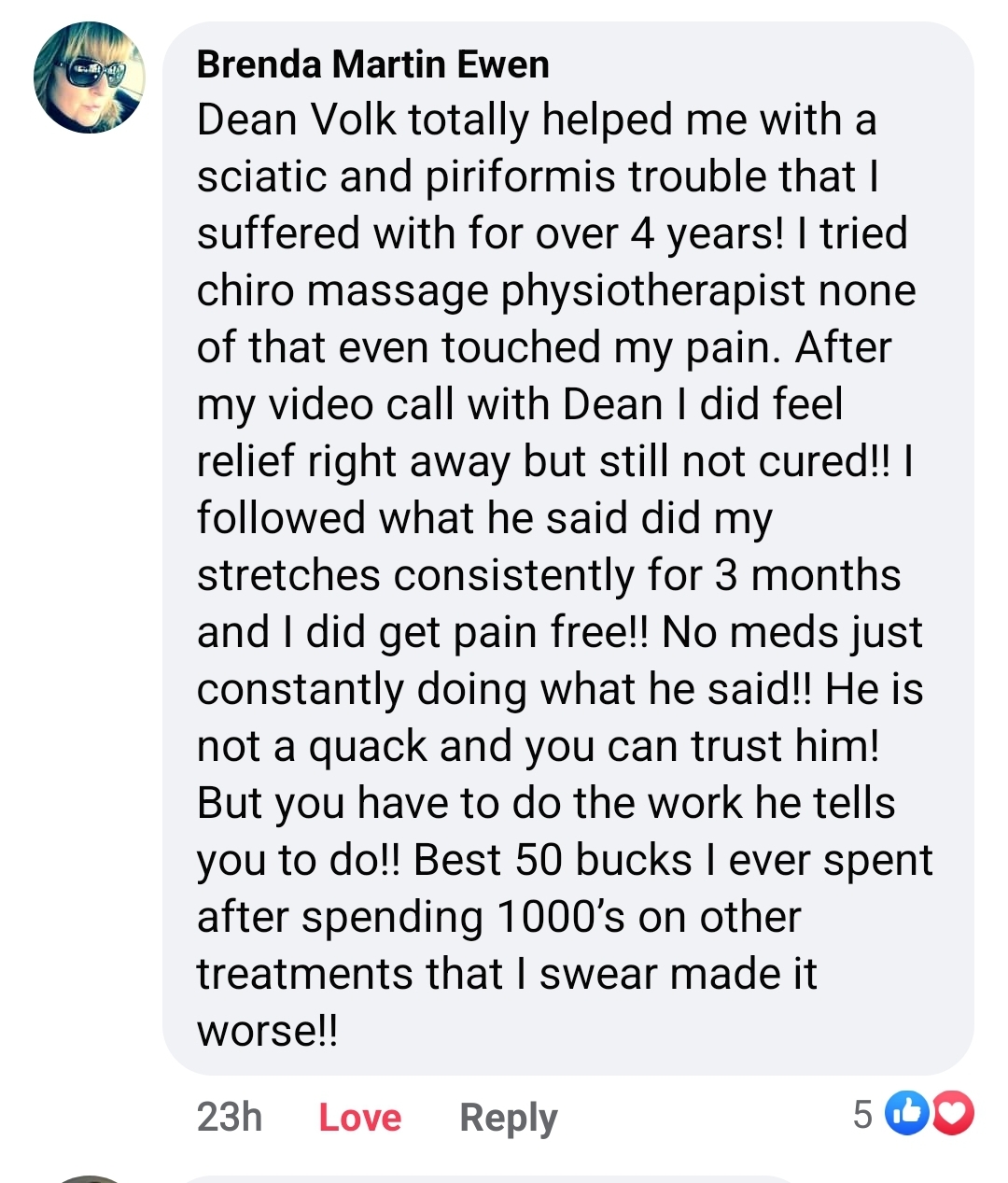
At Sciatica Relief Now LLC, we've worked with dozens of people who came to us AFTER failed epidural injections: often in MORE pain than before. The injection temporarily masked their symptoms, they returned to activities too quickly, and the underlying imbalance got worse. Now they're starting from a deeper hole.
7. "HAVE YOU CONSIDERED WHETHER I'M EVEN A GOOD CANDIDATE FOR THIS PROCEDURE?"
Research shows that epidural injections should be AVOIDED for patients with:
– Purely axial back pain (pain in the back but not radiating down the leg)
– Neural claudication (pain when walking that improves with rest)
– Non-radicular sources of back and leg pain
IF your pain doesn't fit the classic sciatica pattern of nerve root compression with clear radicular symptoms, an epidural injection probably won't help: but it CAN still harm.
Ask your doctor: "Based on my specific symptoms and imaging, am I actually a good candidate for this procedure, or are we just checking a box in the treatment protocol?"

THE QUESTION YOU SHOULD BE ASKING YOURSELF
Here's the most important question of all: and it's one only YOU can answer:
"Have I genuinely tried a comprehensive, targeted approach to rebalancing my body, or have I just done generic exercises that treat both sides the same?"
Because IF you haven't truly addressed the IMBALANCE that's causing your sciatica, you're not making an informed decision about that epidural. You're choosing between a risky procedure with questionable long-term benefits and… what you've already tried that didn't work.
But there's a third option you might not know exists.
Our 180° Sciatica Solution has helped 5,200+ clients find lasting relief by doing what most physical therapists and doctors miss: identifying which side is weak, which side is tight, and creating a specific plan to BALANCE you out, STABILIZE you in that balanced position, and then gradually RETURN you to normal activities.
It's not magic. It's biomechanics. And it works when you do it consistently.
WHAT TO DO BEFORE YOU SIGN THAT CONSENT FORM
Look, I'm not trying to scare you away from a procedure that might be appropriate for you. What I AM saying is that you deserve to make this decision with ALL the information: not just the information that's convenient for the standard treatment pathway.
Print out these seven questions. Take them to your appointment. Ask them directly. And pay attention to how your doctor responds.
IF they get defensive or dismissive, that's a red flag. A good doctor will WELCOME these questions because they show you're taking an active role in your care.
And IF: after asking these questions: you still feel like an epidural is your best next step, at least you're making that choice with your eyes wide open.
But IF any part of you is thinking, "Maybe I should try one more thing before I let someone stick a needle in my spine," then I'd love to talk with you about what genuine imbalance correction looks like. Not generic PT. Not stretching the painful side. Not strengthening the "core" equally on both sides.
The specific, targeted approach that's helped 5,200+ people avoid the procedures they thought were inevitable.
You can reach Sciatica Relief Now LLC at sciaticareliefnow.net to learn more about the 180° Sciatica Solution and whether it's right for your situation.
Your spine is precious. The decision about what to do (or inject) into it should be made with complete information: not just the standard script.
Ask the questions. Demand the answers. And then decide.
#sciatica #sciaticapain #sciaticareliefnow #epiduralinjection #noninvasivetreatment #physicaltherapy #backpainrelief #nervepainfree #sciaticareliefsolution